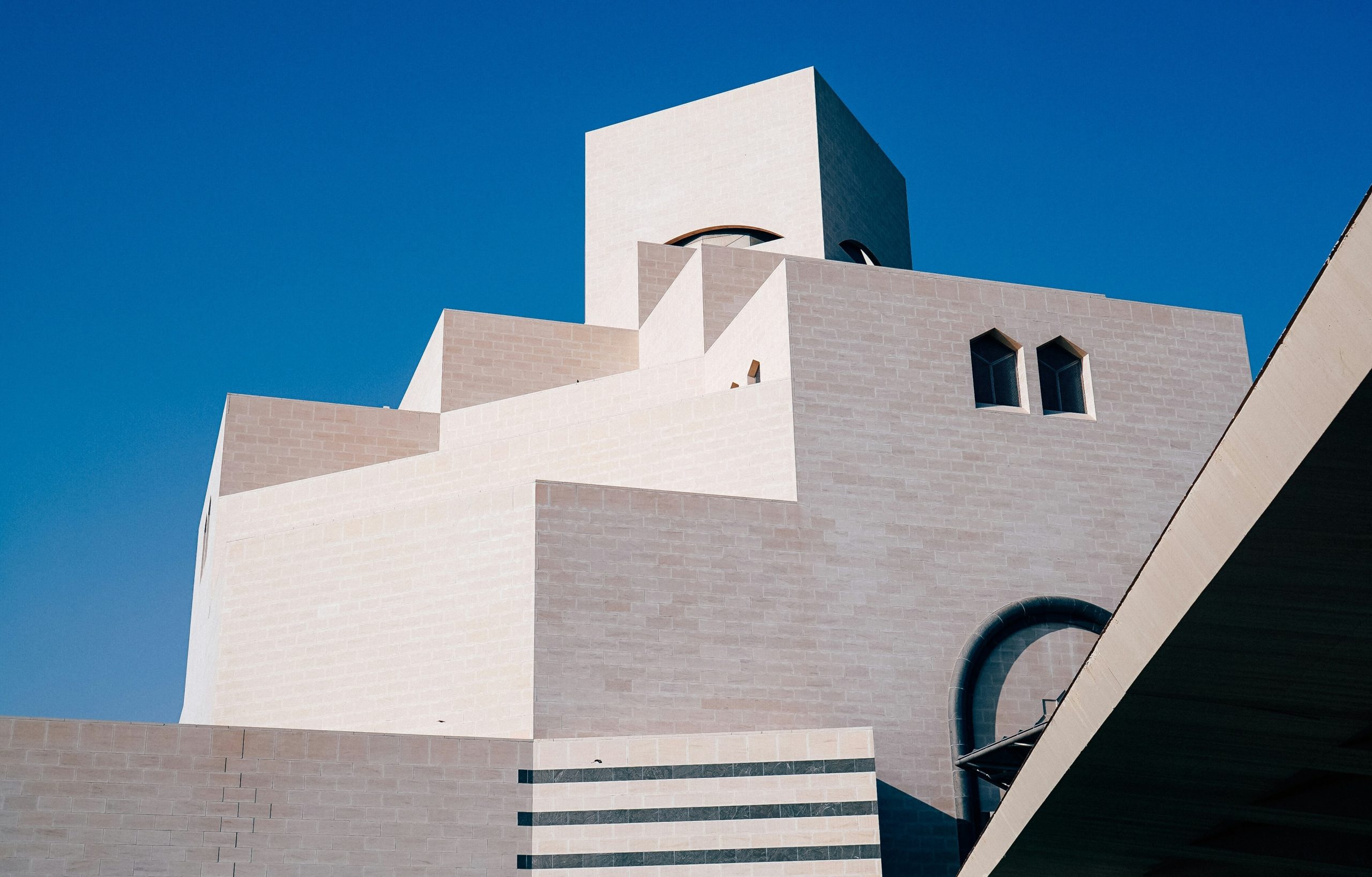
Doha: This fall, the Museum of Islamic Art is set to unveil “Crafting Design Futures,” an exhibition highlighting the artistic visions of nine creators from Qatar and Morocco—two cultures deeply rooted in the tradition of handcrafting.
Curated by Gwen Farrelly, “Crafting Design Futures” will present fresh works by designers from Qatar and Morocco, all of which were conceived during the 2024 Qatar | Morocco Design Doha Residency Program. This residency serves as a long-term exchange of knowledge, blending craft and design practices under the umbrella of Design Doha, a biennial event dedicated to promoting creative innovation within the MENA region. The exhibition will be on display from November 30, 2024, to January 7, 2025, as part of the Qatar-Morocco 2024 Year of Culture.
Fahad Al Obaidly, Deputy Director of Design Doha, remarked, “The Years of Culture initiative calls on creative minds to forge profound partnerships transcending borders and cultures. Crafting Design Futures demonstrates the transformative impact of finding inspiration through shared experiences that draw on the wisdom of our ancestors, our lifestyles, and our deep-rooted connections with our societies, landscapes, and environment – all of which collectively shape our unique perspectives, creative endeavors, and shared narratives. Designing opportunities for creatives to engage in programs that have the capacity for such deep experiences is crucial to nurturing talents within the MENA region.”
Curator Gwen Farrelly added, “Crafting Design Futures explores the confluence of traditional craft practices and contemporary modes of making and design. The significant works have emerged as a result of the exchanges of knowledge about traditional craft-making, and the relationship of these to their current practices. The program and exhibition reflect the deep commitment in both Qatar and Morocco to honor tradition while celebrating innovation and cutting-edge design and making.”
Qatar-based designers Nada Elkharashi, Reema Abu Hassan, Majdulin Nassrallah, and Abdulrahman Al Muftah have reinterpreted traditional Moroccan craft techniques learned during the exchange to create multifunctional installations, modern functional products, and artistic displays that highlight pressing cultural narratives. Meanwhile, in Morocco, artists Amine Asselman, Bouchra Boudoua, Amine El Gotaibi, Hamza Kadiri, and Sara Ouhaddou have concentrated on textiles, earthworks, wood craftsmanship, ceramics, glass installations, and pottery.
The resulting artworks from the exchange will be showcased in Gallery 4 of the Museum of Islamic Art, with a public art installation by Amine Al Gotibi featured in the museum’s courtyard. Additionally, bespoke merchandise products inspired by the Moroccan exchange, created by Qatar-based designers, will be available exclusively in the museum’s shop.
Moroccan artists participated in a two-week research residency in Qatar at the Liwan Design Studios & Labs and Torba Farm, where they immersed themselves in local culture and traditions. In return, Qatari participants traveled to Morocco, exploring studios and artisan schools in Rabat, Casablanca, Marrakech, and Fes to draw inspiration from Morocco’s rich craft heritage.
“I nterpersonal exchanges are crucial to establishing a network of designers across the region,” Al Obaidly noted. “To continue the tradition of collaboration, the designers will showcase the skills they learned from the program through a series of workshops at the Liwan Design Studios & Labs in the fall.”
Reported by: The Peninsula